- (91) 6238878488

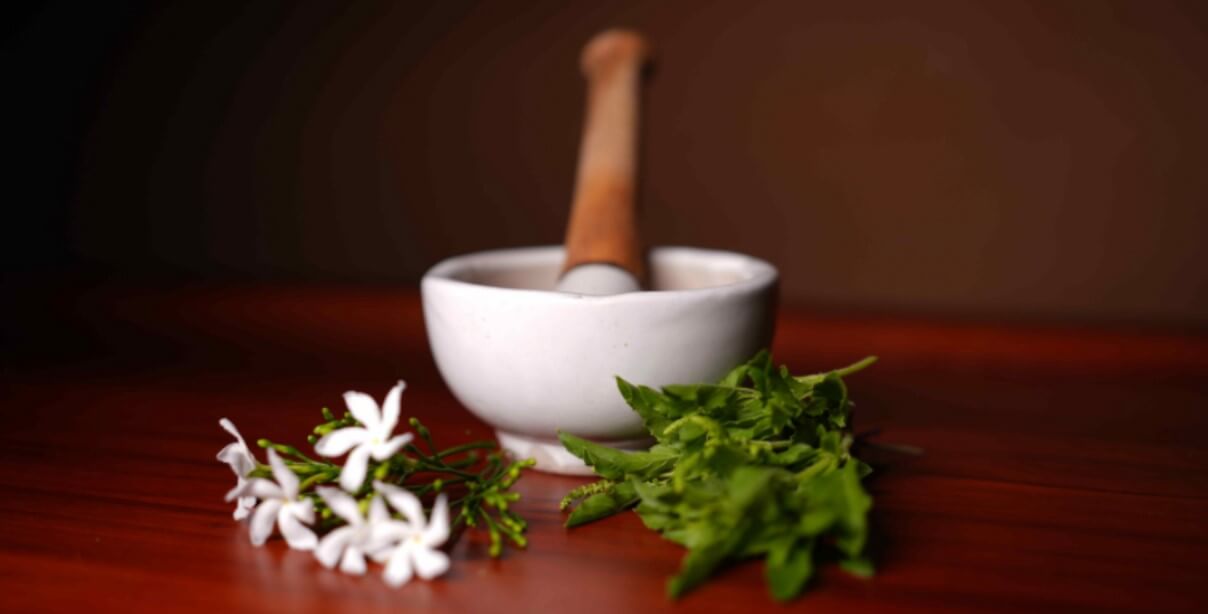
Ayurveda is a traditional system of medicine that originated in India more than 5,000 years ago. It is based on the idea that the body, mind, and spirit are interconnected, and that balancing these elements is essential for good health. Ayurveda uses a holistic approach to healing, incorporating diet, lifestyle, and herbal remedies to promote well-being and prevent disease.
Ayurveda has a long and rich history that dates back to ancient India. The earliest written records of Ayurveda can be traced back to the Vedas, a collection of sacred Hindu texts that were written between 1500 and 1000 BCE. These texts describe the principles of Ayurveda and provide guidance on how to live a healthy and balanced life.

Over the centuries, Ayurveda evolved and expanded, with new practices and techniques being added to the system. Today, Ayurveda is recognized as a valuable form of complementary medicine, and many people around the world incorporate Ayurvedic principles into their lives.
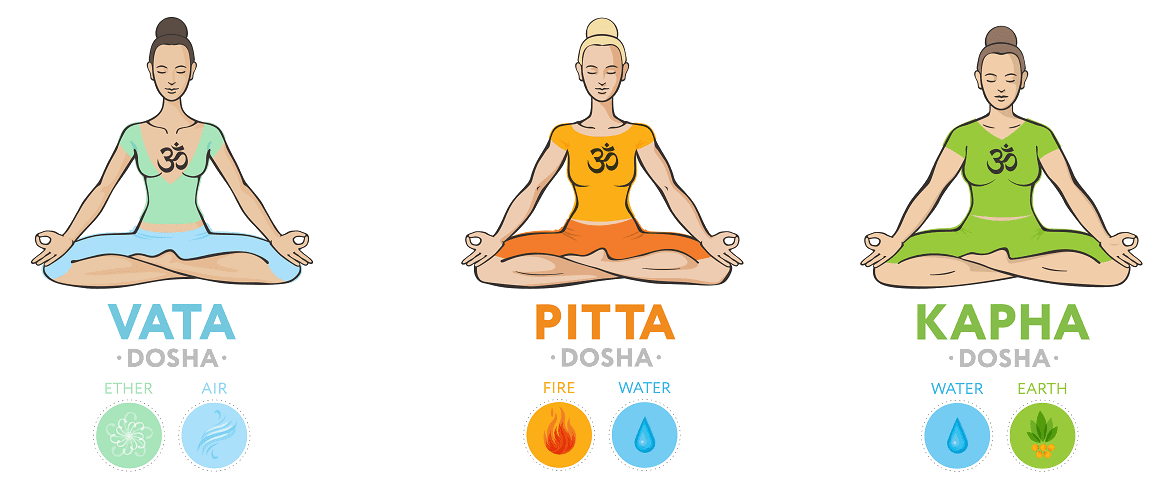
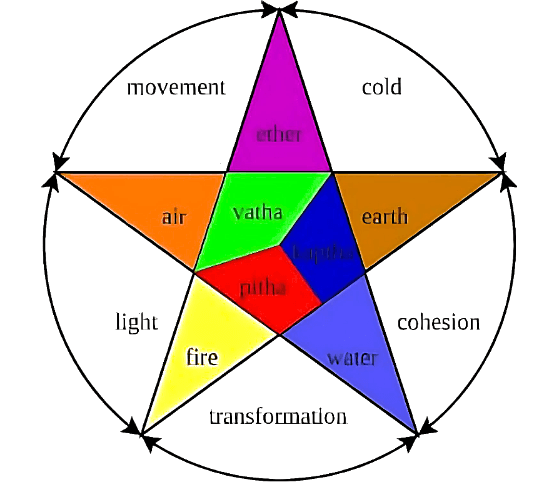
At the core of Ayurveda is the concept of doshas, or the three fundamental energies that govern the body and mind: Vata, Pitta, and Kapha. Each person has a unique combination of these doshas, which determines their individual constitution, or prakriti. When these doshas are in balance, a person is healthy and vibrant. However, imbalances can lead to a wide range of health concerns.
Ayurvedic practitioners use a variety of tools to assess an individual's constitution and imbalances, including pulse diagnosis, tongue examination, and lifestyle assessment. Based on this assessment, an Ayurvedic practitioner may recommend changes to the individual's diet, lifestyle, and herbal remedies to restore balance and promote health.
At the heart of Ayurveda are the principles of balance and harmony. Ayurveda recognizes that each person is unique, and therefore requires a personalized approach to health and wellness. Ayurvedic practitioners use a variety of tools to assess an individual's constitution and imbalances, including pulse diagnosis, tongue examination, and lifestyle assessment.
Based on this assessment, an Ayurvedic practitioner may recommend changes to the individual's diet, lifestyle, and herbal remedies to restore balance and promote health. Ayurveda also recognizes the importance of emotional and spiritual well-being, and may incorporate practices like meditation, yoga, and massage to support these aspects of health.
Ayurvedic treatments and remedies are tailored to each individual's unique constitution and imbalances. Some common Ayurvedic remedies include herbal supplements, massage, and dietary changes. Ayurveda also emphasizes the importance of seasonal routines, or ritucharya, which involve adjusting diet and lifestyle habits to align with the changing seasons.

Ayurvedic treatments can be used to address a wide range of health concerns, including digestive issues, skin problems, and anxiety. However, it's important to note that Ayurveda should not be used as a substitute for conventional medical care. Always consult with your healthcare provider before making any changes to your health regimen.